
A windshield chip may look minor, but repairing it promptly can protect your visibility, preserve the windshield’s strength, and help you avoid a more expensive replacement. If you drive in Boise, Meridian, Nampa, or anywhere across the Treasure Valley, temperature changes, road vibration, and additional impacts can cause small damage to spread quickly.
Before you choose a DIY kit or decide to wait, learn the truth behind these 10 common rock chip repair myths.
1. Myth: A small windshield chip can wait indefinitely
A tiny ding is easy to ignore when your vehicle is otherwise running well. However, a chip creates a weak point in the laminated glass. Cold mornings, hot sunlight, potholes, and normal body flex can place additional stress on that area.
A chip that is repairable today may become a long crack tomorrow. Dirt and moisture can also enter the damaged area, which may reduce the appearance and effectiveness of a later repair.
The truth: You should have a new chip inspected as soon as possible. If you cannot schedule service immediately, place a small piece of clear tape over the clean, dry chip. Tape helps keep out contamination, but it does not stop the damage from spreading.
For more information, read our guide on what to do when you have a chip in your windshield.
2. Myth: Every chip means you need a new windshield
Not every chip requires a full windshield replacement. Many small impact breaks can be stabilized with professional resin injection.
A technician will look at several factors, including:
- The type and size of the damage
- Whether the damage affects only the outside glass layer
- The chip’s location
- How close it is to the windshield edge
- Whether it is in your primary line of sight
- Whether dirt, moisture, or previous repair attempts have contaminated it
A bullseye is a circular impact break. A star break has cracks radiating from the impact point. A combination break includes features of both. These types of damage may be repairable when they meet industry guidelines.
Damage near the edge, damage that penetrates deeply, or a crack that interferes with your view may require replacement instead. Our Boise windshield repair service can inspect the glass and explain your options.

3. Myth: If a chip is smaller than a quarter, it is always safe to repair
The quarter-size rule is only a general screening guideline. Size does not tell the entire story.
A small chip may still be a poor repair candidate if it is:
- Directly in front of the driver
- Within a few inches of the windshield edge
- Deep enough to affect the inner layer or plastic interlayer
- Connected to several long cracks
- Located near an ADAS camera or sensor area
Try this simple test: Place a dollar bill next to the damage to estimate its size. This can help you describe the chip when you call, but it cannot determine whether the glass is safe to repair.
A professional inspection is the only reliable way to make that decision. The goal is not simply to fill a mark. The goal is to preserve safe visibility and stabilize the laminated glass.
4. Myth: DIY windshield repair kits work just as well as professional resin injection
DIY kits may appear convenient and inexpensive. They usually include a small injector, adhesive seal, and bottle of resin. These kits can sometimes improve a very small, simple surface chip, but they do not provide the same control as professional equipment.
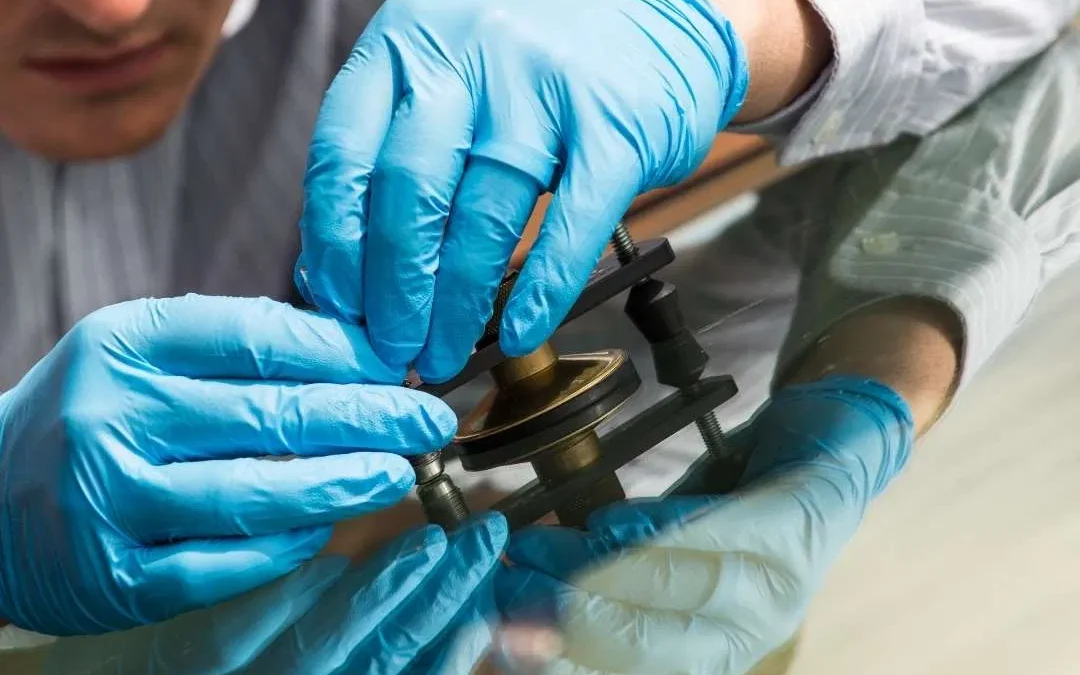
Professional resin injection uses a sealed bridge and injector. The technician removes air and moisture from the damaged area, introduces specialized resin under controlled pressure, and cures it with ultraviolet light. This process helps the resin reach the impact point and connected crack channels.
DIY kits may not work well when the damage is deep, contaminated, near the edge, or more complex than a simple chip. Improper application can also leave residue or make future professional repair more difficult.
The truth: A DIY kit is not a substitute for an experienced technician. When safety and long-term results matter, professional windshield chip repair in Boise is the better choice.

5. Myth: Professional repair makes the chip completely disappear
Resin repair can make a chip much less noticeable, but it may not make the damage invisible under every condition. You may still see a faint mark when you inspect the glass closely or view it in direct sunlight.
The primary purpose of repair is structural stabilization. Filling the damaged area helps reduce the chance of spreading and improves the overall condition of the glass. Cosmetic improvement is an important benefit, but it is not the only goal.
If a chip is directly in your line of sight, even minor optical distortion may be unacceptable. In that situation, a technician may recommend windshield replacement instead.
6. Myth: Insurance never covers rock chip repair
Many drivers assume they must pay the entire cost of a repair. In reality, windshield damage is often handled through comprehensive or glass coverage, depending on your policy.
Your coverage may depend on:
- Whether you carry comprehensive insurance
- Your comprehensive deductible
- Whether your policy includes separate glass coverage
- The insurer’s claim requirements
- Whether the damage is repairable or requires replacement
The Idaho Department of Insurance explains that optional auto coverage can include protection for non-collision damage, including certain types of glass damage.
Coverage varies by insurer, so do not assume that a repair is automatically free. Contact your insurance company or ask our team for help understanding the claim process.
7. Myth: Idaho law requires every windshield repair to have a $0 deductible
Idaho does not require insurers to waive the deductible for windshield repairs or replacements. A $0 glass deductible may be available under your specific policy, but it is not guaranteed by state law.
The Idaho Department of Insurance claims guidance also explains that deductibles generally apply according to the terms of your policy. Idaho law restricts repair businesses from routinely waiving or paying a customer’s deductible.
The truth: Check your declarations page for comprehensive or glass coverage and the listed deductible. Windshield Repair Specialists works with insured drivers and can help make the process easier, but your insurer determines coverage under your policy.
8. Myth: Filing a glass claim will automatically raise your insurance rates
A glass claim is not the same as an at-fault collision claim. However, no company can guarantee how an insurer will handle a claim or how your policy may be affected.
Insurance decisions can depend on your provider, claim history, policy terms, and local underwriting practices. Before filing, ask your insurer whether a repair claim affects your deductible or premium.
For many drivers, repairing a chip early may still be financially sensible. A small repair is often less costly than waiting until the damage requires a full replacement.
9. Myth: Covering the chip with tape makes it safe to keep driving
Clear tape is useful as a temporary protective step. It helps prevent dirt and moisture from entering the impact point before service.
But tape does not restore the glass. It does not strengthen the windshield, stop a crack from spreading, or improve visibility. Avoid scrubbing the damaged area, applying household glue, or pouring chemicals into the chip. These actions may contaminate the glass and complicate the repair.
Use tape only as a short-term measure, then schedule an inspection. If the damage is spreading across your view, reaches the edge, or causes significant glare, limit driving until a professional evaluates it.
10. Myth: If you waited a few days, repair is no longer worthwhile
A delayed repair may be more difficult, but waiting a few days does not automatically mean replacement is necessary. A technician can still inspect the damage and determine whether resin injection is practical.
Older chips may contain more dirt or moisture. They may also have developed small cracks that are difficult to see from the driver’s seat. Even so, repair may remain possible depending on the damage’s size, depth, location, and condition.
The important point is simple: do not wait for the windshield to fully crack before asking for advice. A professional can tell you whether repair is still appropriate or whether replacement is the safer solution.
What should you do after a rock hits your windshield?
Follow these steps:
- Stop safely and inspect the damage.
- Estimate its size with a quarter or dollar bill.
- Note whether it is in your line of sight or near the edge.
- Cover a clean, dry chip with clear tape.
- Avoid DIY chemicals or household adhesives.
- Contact a professional for an inspection.
- Check your insurance policy for glass or comprehensive coverage.
Because your time is valuable, mobile windshield repair in Boise can come to your home, workplace, or another convenient location. Windshield Repair Specialists serves Boise, Meridian, Nampa, Caldwell, Star, Eagle, Kuna, and surrounding Treasure Valley communities.
We follow a repair-first approach. If professional resin injection is appropriate, we repair the chip. If the damage cannot be safely repaired, we explain why and discuss replacement options, including ADAS-related services when applicable. You can also learn more about ADAS calibration before scheduling service.
Do not let a small ding become a larger safety and cost problem. Contact Windshield Repair Specialists for a convenient estimate and professional guidance on your rock chip repair Boise needs.